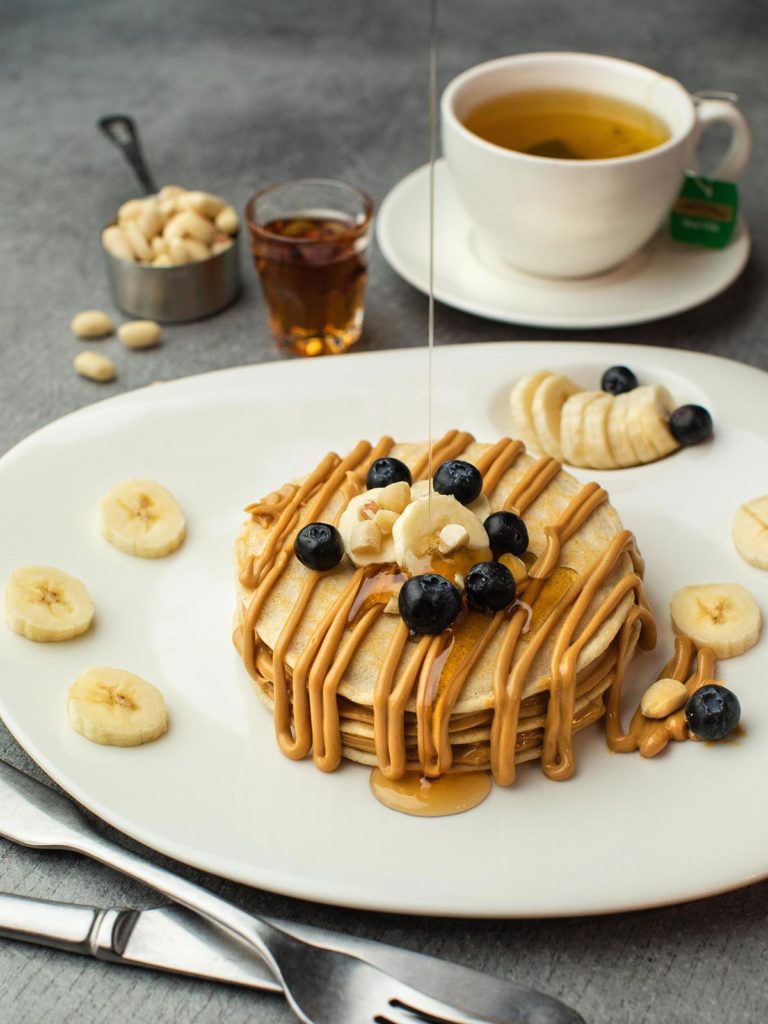

Breakfast isn’t just a meal—it’s your secret weapon for energy, focus, and overall health. Skipping it or eating the wrong foods can leave you sluggish, craving sugar, and struggling to concentrate. But the good news? You can fuel your mornings with simple, power-packed foods that boost metabolism, curb hunger, and even improve your mood. Today, we’ll explore 10 healthy foods you should be eating for breakfast, backed by nutrition science, practical tips, and expert-approved strategies.
Why Breakfast Matters More Than You Think?
Did you know that adults who eat a balanced breakfast are 34% more likely to maintain healthy weight and energy levels throughout the day? Breakfast jump starts your metabolism, stabilizes blood sugar, and provides essential nutrients that your body hasn’t received overnight. Yet, studies show nearly 31% of adults skip breakfast regularly, missing out on a vital opportunity to energize their day. Choosing the right foods can make all the difference.
1. Eggs – Protein Powerhouse
Eggs are one of the most versatile and nutritious breakfast foods you can eat. Packed with high-quality protein, vitamin D, and choline, eggs help you feel full for hours and improve brain function.
Quick Tip: Try boiled eggs, omelets with veggies, or baked egg muffins. Even just 2 eggs in the morning provide nearly 13 grams of protein to keep you energized.
2. Oatmeal – Fiber-Filled Fuel
Oatmeal is a heart-healthy and filling option. Rich in soluble fiber, it stabilizes blood sugar, reduces cholesterol, and supports digestion. According to the American Heart Association, eating oats regularly can lower LDL cholesterol by 5-10%.
Try this: Top oatmeal with fresh berries, chia seeds, or a drizzle of honey for a delicious, nutrient-packed breakfast.
3. Greek Yogurt – Gut-Friendly Protein
Greek yogurt is not just creamy and delicious—it’s a probiotic powerhouse. With higher protein than regular yogurt, it supports muscle repair, gut health, and satiety.
Pro Tip: Add nuts, flaxseeds, or fruit for extra fiber and antioxidants. One serving can contain 15-20 grams of protein, enough to keep you full until lunch.
4. Fruits – Nature’s Sweet Boost
Fruits are naturally sweet, packed with vitamins, and an easy way to get antioxidants. Berries, bananas, apples, and oranges are ideal for breakfast.
Fun Fact: Blueberries contain antioxidants that support brain health and reduce inflammation, making them the perfect morning snack.
5. Whole-Grain Toast – Smart Carbs
Whole-grain bread is a complex carb that provides long-lasting energy. Unlike white bread, it keeps blood sugar stable and provides fiber for digestion.
Serve it with: Avocado, nut butter, or poached eggs for a balanced breakfast.
6. Nuts & Seeds – Healthy Fats That Fuel
Almonds, walnuts, chia seeds, and flaxseeds are rich in omega-3 fatty acids, protein, and fiber. They help curb cravings and support heart health.
Quick Tip: Sprinkle them on yogurt, oatmeal, or smoothie bowls for crunch and nutrition.
7. Smoothies – Fast & Nutrient-Dense
Smoothies are perfect for busy mornings. Combine greens, fruits, protein powder, and healthy fats to make a breakfast that’s both filling and nutrient-dense.
Example: Spinach + banana + almond butter + Greek yogurt = ultimate energy booster.
8. Avocado – Creamy & Nutrient-Rich
Avocado is loaded with monounsaturated fats that improve heart health and keep you full longer. Pair it with whole-grain toast or eggs for a creamy, satisfying breakfast.
Quick Tip: Mash avocado on toast and sprinkle chili flakes or lemon juice for flavor and metabolism support.
9. Cottage Cheese – High-Protein Option
Cottage cheese is low in fat but high in protein, making it a perfect breakfast for weight management. Pair it with fruit or whole-grain crackers for a quick, balanced meal.
10. Green Tea or Black Coffee – Morning Boost
Caffeine in moderation can enhance focus, alertness, and metabolism. Green tea adds antioxidants while black coffee provides a clean energy boost.
Pro Tip: Avoid sugar-laden drinks; stick to plain coffee or tea with a splash of milk.
FAQs About Healthy Breakfast Foods
Skipping breakfast can backfire by increasing cravings and overeating later. Focus on protein + fiber to stay full longer.
Greek yogurt with fruit, overnight oats, or a smoothie bowl. They take 5 minutes and provide long-lasting energy.
Experiment with different fruits, spices (cinnamon, nutmeg), toppings, and textures. Visual appeal also improves satisfaction.
Typically 300–500 calories, depending on activity level and goals, with a balance of protein, healthy fats, and complex carbs.

Conclusion
Eating the right breakfast isn’t just about filling your stomach—it’s about fueling your body, boosting your energy, and supporting long-term health. Incorporating eggs, oatmeal, Greek yogurt, fruits, whole grains, nuts, smoothies, avocado, cottage cheese, and mindful caffeine choices ensures you start your day on the right note.
Start tomorrow—don’t wait! Even small changes can dramatically improve focus, metabolism, and overall well-being. Your healthiest mornings start with the foods you eat for breakfast.
